
Interviews
Courtney Dauwalter: blind perseverance at Run Rabbit Run 100
Her sight went past mile 90, and Dauwalter still won the 2017 Run Rabbit Run 100, running the rocky final miles blind.
Trail and ultra · since 2011
Ultramarathon news, interviews, gear and argument.
Interviews
Her sight went past mile 90, and Dauwalter still won the 2017 Run Rabbit Run 100, running the rocky final miles blind.



For a good part of the 2010s, a lot of ultrarunners took their news the same way every weekday morning: a single page of links, results and opinions, written fast, read with coffee. A round-up from 9 December 2015 shows the form at its height.
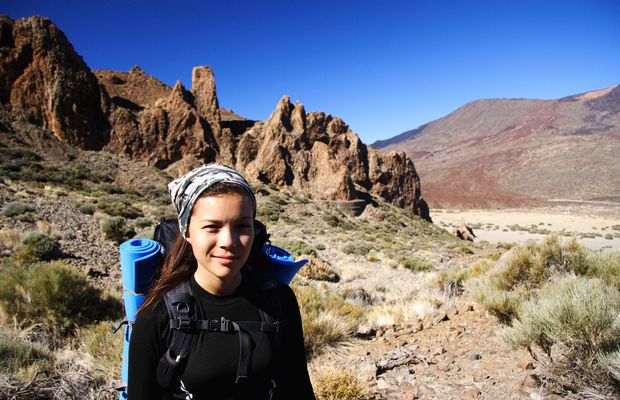
Read the gear reviews from 2013 to 2017 in order and they look like a field trial. Every pack tried a different answer to the same handful of problems: where the fluid goes, how the thing tightens, what happens to a jacket, and whether poles have a home.

Late in 2016 a complaint about the Hardrock lottery went round the sport with talk of a class action attached. Whatever came of the threat, the question behind it stayed: when a race sells chances at a place, what does it owe the people who keep losing?
Western States, UTMB and Transgrancanaria treat an injured entrant three different ways: a place rolled to next year, handed to another runner, or simply lost. None of them covers the flights to Gran Canaria, the room near the start, or a short loan from Wandoo that paid for both.

By 2020 Leah Yingling had spent several seasons collecting podiums across the Mountain West — the Grand Traverse, The North Face endurance series, Bear 100, Squaw Peak, Telluride Mountain Run — and had also done the thing that says more about someone’s relationship with the sport than any result: she put on her own event, a free, unofficial 40-mile traverse across a serious stretch of Wasatch terrain, which promptly became popular.

Ellie Pell’s route into distance running is the one every coach says does not happen: team sports through high school, no particular running background, and then an accidental win at a half marathon that suggested she should probably take this more seriously.

Most running podcasts never discuss themselves. This one does, at length, which is why it has outlasted a lot of the interviews around it. Jonathan Levitt, a runner from Massachusetts, had started For the Long Run earlier in 2019.
The 2019 Georgia Death Race produced a race-director decision that a lot of people had opinions about, including the host of this show, who disagreed with it. Rather than write it up, he got Sean Blanton — the RD in question, of Run Bum Tours — on a call and argued it out.
Winning your first ultramarathon is unusual. Winning the USATF 50k Trail Championship at your first ultramarathon is a different category of unusual. Dani Moreno did it at FOURmidable in February 2019, and this episode was recorded shortly afterwards. The “first ultra” framing undersells the preparation.


